Do You Know How to Avoid a Head-on Collision?
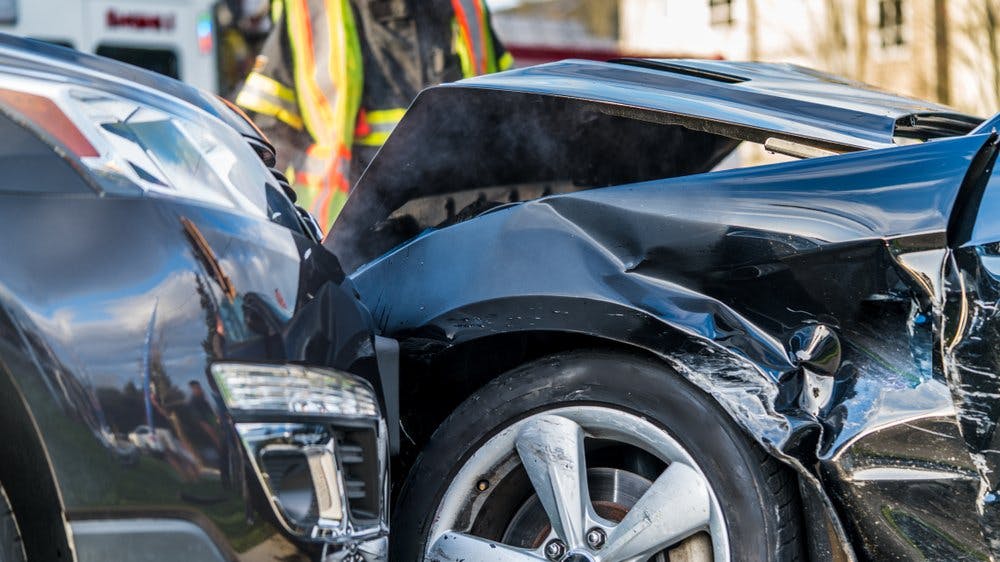
Most people will never get in a head-on collision, but those who do are likely to face debilitating and even life-threatening injuries. Although rare, these kinds of collisions often have devastating consequences.
According to the National Highway Traffic Safety Administration, wrong way crashes are more prevalent in rural areas. Head-on collisions make up 13 percent of all fatal accidents in rural areas but less than 7 percent of all fatal collisions in urban areas.
Sadly, even non-fatal accidents can have a tragic outcome. Individuals who survive wrong way crashes often sustain disabling injuries that have a lasting impact on all aspects of their life.
If you were hurt in a wrong way crash with a reckless driver, you should not have to shoulder the financial burden of your injuries. To determine if you have grounds for a claim, turn to an accident attorney from Laborde Earles Injury Lawyers.
An Alexandria injury lawyer from our firm will evaluate your case, identify all liable parties, and help you file a claim for the maximum compensation. Our award-winning attorneys have recovered more than $200 million for our clients. Call 800-522-6733 to schedule a free consultation.
Read on to learn about some of the most common causes of head-on collisions:
- Distracted Driving
There are three kinds of distracted driving: manual, visual, and cognitive. Each kind poses its own risks, and they can all contribute to a head-on collision, but visual distractions tend to contribute the most to wrong way crashes. People who take their eyes off the road for just a few seconds can easily drift over the line into the other lane and cause a tragic accident.
- Drunk or Drowsy Driving
Both fatigued and inebriated drivers pose a serious threat to other motorists around them. Drifting and swerving are common among drunk and drowsy drivers, and doing so in traffic is a surefire way to cause a collision.
- Driving Too Fast for the Conditions
The posted speed limit on a particular stretch of road might be 45 mph, but when conditions are poor, you need to adjust your speed accordingly. In rainy weather, that usually means traveling slower than the posted speed limit. Individuals who fail to adjust their speed to the conditions could lose control of their vehicle and careen into oncoming traffic.
- Failing to Overtake a Vehicle Correctly
Some roads allow motorists to overtake the vehicles ahead of them by crossing the centerline and passing on the left when there is no oncoming traffic. Although the concept works in theory, drivers who fail to implement it correctly can cause serious accidents.
- Ignoring Traffic Signals
Traveling in the wrong direction on a one-way road or off-ramp is a surefire way to cause a head-on collision. You can reduce the risk of such an accident by following all traffic signs and signals.
If you sustained serious injuries in a wrong way crash, an injury lawyer from Laborde Earles Injury Lawyers will help you gather the necessary evidence to support your claim. Call 800-522-6733 to schedule a free case evaluation with an Alexandria accident attorney. You can learn more about car accident claims in Louisiana by visiting USAttorneys.