
What Not to Post on Social Media After a Car Accident
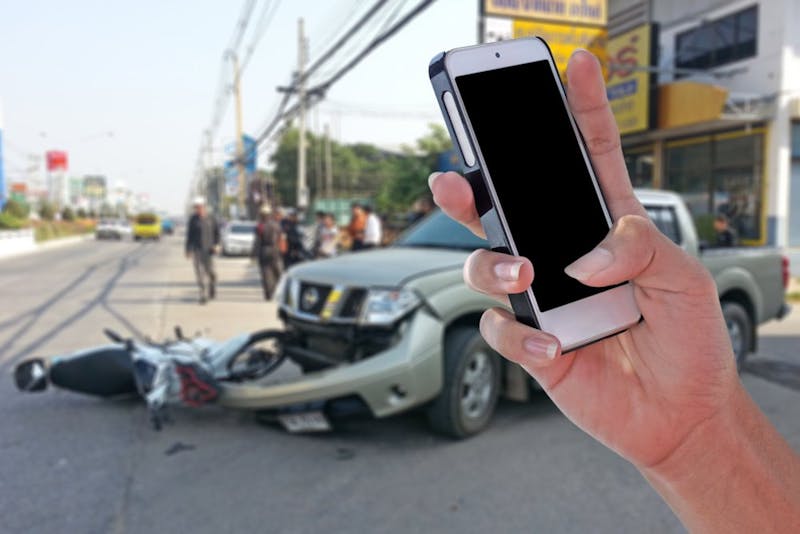
After a car accident, one of the most important things you should not do is post details about the crash, your injuries, your recovery, or your daily activities on social media. Even seemingly harmless photos, comments, check-ins, or status updates can be taken out of context and used by insurance companies or opposing parties to challenge your injury claim. In many cases, the safest approach is to avoid posting about the accident altogether until your claim is resolved.
At Laborde Earles, we have spent decades helping injured people across Louisiana protect their rights after serious accidents. With more than $1 billion recovered for our clients, we have seen firsthand how insurance companies look for opportunities to reduce or deny valid claims. Today, that often includes reviewing all your social media accounts.
In this guide, we'll explain what not to post on social media after a car accident, common mistakes that can hurt a claim, practical steps to protect yourself online, and answers to frequently asked questions.
Why Social Media Matters in a Car Accident Claim
Information shared online can become evidence in a personal injury case. Courts may allow social media content to be obtained and reviewed when it is relevant to issues such as injuries, physical limitations, activities, credibility, or damages.
The Federal Rules of Civil Procedure permit parties to request electronically stored information during discovery, which may include social media content in appropriate cases. Insurance companies may also independently review publicly available social media content during claims investigations.
10 Things You Should Never Post on Social Media After a Car Accident
1. Don't Post Photos of the Accident
It may seem natural to share photos of vehicle damage or the crash scene, but those images may not tell the complete story.
Insurance companies may attempt to use:
- Minimal visible vehicle damage
- Selective accident angles
- Isolated photographs
to argue that your injuries are not serious.
Do Instead
Save accident photos for:
- Your attorney
- Insurance claims
- Medical providers
- Law enforcement
2. Don't Discuss Who Caused the Accident
Never speculate about fault online. Avoid comments such as:
- "I never saw the other car."
- "I might have been distracted."
- "I probably should have taken a different route."
Even innocent statements may be misinterpreted.
Do Instead
Allow the evidence, investigation, and legal process to determine fault.
3. Don't Post About Your Injuries
Many people use social media to update friends and family. However, statements such as:
- "I'm feeling much better."
- "The pain isn't too bad."
- "Thankfully, I'm okay."
may later be used to challenge the severity of your injuries.
Do Instead
Discuss your medical condition only with healthcare providers and your legal team.
4. Don't Share Details About Your Claim
Avoid discussing:
- Settlement negotiations
- Insurance communications
- Legal strategy
- Medical treatment
- Potential compensation
Do Instead
Keep all case-related communications private.
5. Don't Post Photos or Videos of Physical Activities
This is one of the most common mistakes accident victims make. Examples include:
- Exercising
- Traveling
- Dancing
- Playing sports
- Yard work
- Home improvement projects
Even if the activity lasted only a few minutes, it may create a misleading impression.
Do Instead
Take a social media hiatus and save these types of posts as a recap once the claim is resolved.
6. Don't Check In at Social Events
Location tags and check-ins can create problems. Examples include:
- Concerts
- Sporting events
- Vacations
- Festivals
- Restaurants
- Parties
Insurance companies may argue that your activities are inconsistent with your reported injuries.
Do Instead
Avoid public check-ins while your claim is pending.
7. Don't Delete Existing Social Media Posts
Many people assume deleting content will solve the problem. In reality, intentionally removing evidence after an accident may create additional legal issues.
Do Instead
Consult your attorney before removing or altering content.
8. Don't Accept Friend Requests From Strangers
Insurance investigators sometimes gather publicly available information through social media research. Be cautious about accepting requests from:
- Unknown individuals
- Recently created accounts
- People with no apparent connection to you
Do Instead
Review your privacy settings and limit access to trusted contacts.
9. Don't Post Emotional Rants About the Accident
Angry posts about:
- Other drivers
- Insurance companies
- Witnesses
- Police officers
can create unnecessary complications.
Do Instead
Keep a journal so you feel heard without endangering your case.
10. Don't Assume Private Posts Are Truly Private
Privacy settings can help limit access, but they do not guarantee confidentiality. Content may still become discoverable under certain circumstances.
Do Instead
Assume anything posted online could eventually be reviewed by others involved in the case.
Social Media Dos and Don'ts After a Car Accident
| Do | Don't |
| Follow your doctor's instructions | Post about your injuries |
| Preserve evidence | Delete potentially relevant content |
| Discuss your case with your attorney | Discuss your case online |
| Review privacy settings | Assume privacy settings guarantee |
| Keep records offline | Post photos of physical activities |
| Focus on recovery | Check om at social events |
Examples of Risky Social Media Behavior
Risky Post #1
"Feeling much better today!"
Potential issue: The statement may be used to minimize ongoing medical complaints.
Risky Post #2
Photo of a weekend fishing trip.
Potential issue: The image may be used to challenge claims involving physical limitations.
Risky Post #3
"The accident wasn't that bad."
Potential issue: The statement may be cited to dispute the severity of the injury.
Risky Post #4
Video dancing at a wedding.
Potential issue: The video may be presented as evidence regarding physical capabilities.
How to Protect Yourself on Social Media After an Accident
Step 1: Review Privacy Settings
Limit public visibility whenever possible.
Step 2: Stop Posting About the Accident
The safest option is to avoid discussing the accident entirely.
Step 3: Ask Friends and Family Not to Tag You
Photos and comments posted by others may still become relevant to your claim.
Step 4: Avoid Posting New Photos
Even unrelated images may be misunderstood.
Step 5: Consult Your Attorney Before Making Changes
An attorney can help determine the best approach to preserving evidence and protecting your rights.
Frequently Asked Questions
Can insurance companies really look at my social media accounts?
Yes. Insurance companies frequently review publicly available social media content during claims investigations.
Should I delete my social media accounts after an accident?
Generally, no. Deleting accounts or content without legal guidance may create complications. Speak with an attorney before making major changes.
Can private messages be used in a lawsuit?
Depending on the circumstances and relevance, certain electronic communications may become discoverable.
What if someone else posts a photo of me?
Ask friends and family to avoid posting photos, tagging you, or discussing your accident while your claim is ongoing.
Can I still use social media?
Yes, but many attorneys recommend limiting activity significantly until the claim is resolved.
What if I already posted something about the accident?
Do not panic. Avoid making additional posts and speak with an attorney about the situation as soon as possible.
Can social media really affect the value of my claim?
Potentially, yes. Posts that appear inconsistent with your injuries, limitations, or statements may be used to challenge portions of your claim.
Protect Your Claim Before a Social Media Post Becomes a Problem
A single post can take seconds to publish, but create complications that last throughout a personal injury case. While social media has become part of everyday life, accident claims are often built on credibility, consistency, and evidence. Taking a cautious approach online can help prevent misunderstandings and reduce the likelihood that insurance companies will challenge the full impact of your injuries.
At Laborde Earles, we understand how quickly insurance companies begin looking for ways to limit their exposure after a crash. Our team works to protect injured Louisianans from common pitfalls, preserve critical evidence, and build cases designed to maximize compensation. With more than $1 billion recovered for our clients, we have the resources and experience to help you move forward with confidence.
If you've been injured in a Louisiana car accident, don't wait to learn about your legal options. Contact Laborde Earles today for a free case evaluation. Call (337) 284-9548, contact us online, or visit one of our offices across Louisiana. There is no fee unless we win your case, and our team is available 24/7 to help you take the next step forward.
Legal Disclaimer: This article is provided for informational and educational purposes only and should not be construed as legal advice. Reading this content does not create an attorney-client relationship with Laborde Earles. Every car accident claim is unique, and the legal impact of social media activity depends on the specific facts and circumstances involved. If you have questions about your rights after a Louisiana car accident, consult a qualified attorney.