What Is Highway Hypnosis?
Have you ever read something line by line only to realize a few minutes later that you didn’t comprehend any of it? If so, you are not alone. Nearly everyone experiences this kind of zoned-out mental state on occasion.
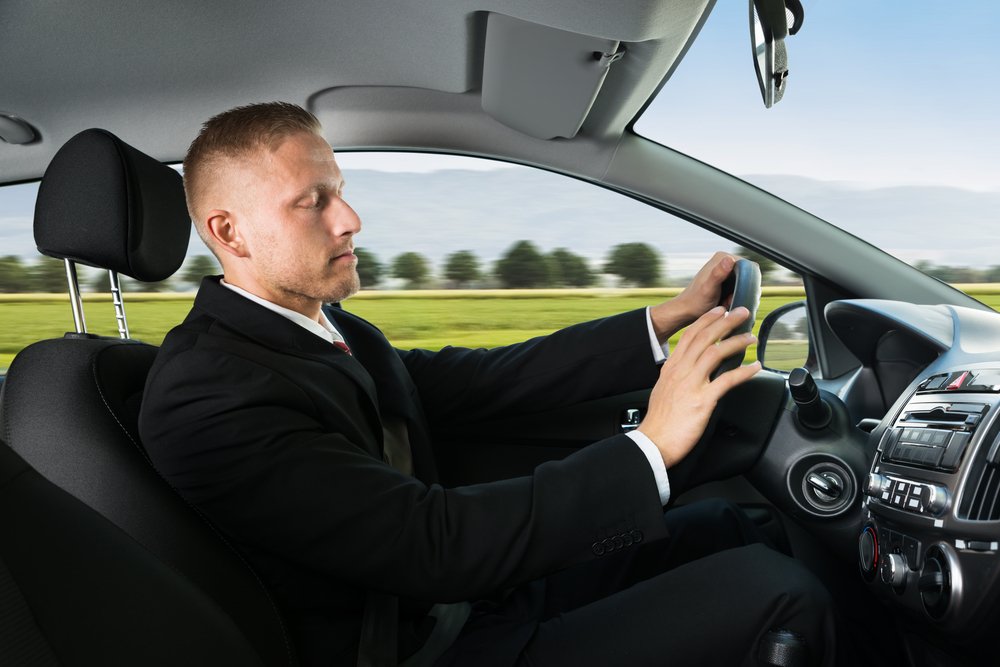
When it happens during a conference call, business meeting, or college lecture, it can be a minor annoyance, but if it happens when you are behind the wheel, it is downright dangerous. Driving without attention mode (DWAM), or what is often called “highway hypnosis,” is the act of operating a motor vehicle without consciously processing everything around you.
Highway Hypnosis Is Like Being Asleep at the Wheel
According to ABC News, drivers under highway hypnosis are experiencing reduced brain activity that is on par with the cognitive functioning of someone who is sleeping. Many equate this feeling to being on “autopilot.” They continue going through the basic motions of driving and eventually “snap” out of it when they finally arrive at their highway exit or turn.
This trance-like state means that different parts of the brain are not communicating as often. The result is inattention to one’s surroundings and slowed reaction times, thereby increasing the risk of a catastrophic collision.
When Does Highway Hypnosis Typically Occur?
Highway hypnosis commonly occurs on long, monotonous roads, such as highways—hence the name. Per a study published in Accident Analysis & Prevention, this is because the brain interprets the lack of different visual stimuli on these roads as a pattern. Essentially, the brain relies less on retinal feedback when presented with the same image over and over again. Instead, it begins to predict what visuals should be there.
Drivers on the highway often experience drowsiness and fatigue, as well, which go hand-in-hand with DWAM. Those who have not gotten enough sleep or have driven more than the recommended length of time are more likely to lapse into highway hypnosis. Similarly, the lack of brain alertness and continuous motion of the vehicle can lull a driver into a drowsy state.
Though it may seem more likely to occur on long trips, Page 389 of another study from Accident Analysis & Prevention suggests that fatigue can set in as soon as 20 minutes into a monotonous drive. As such, motorists can experience DWAM on long road trips or when traveling a shorter route that they often take, such as their daily commute.
Recognizing Highway Hypnosis
Motorists who have DWAM may not even realize it. This is what makes highway hypnosis so dangerous—since drivers are not aware they are experiencing it, it can be challenging to combat it in the moment.
Still, there are some telltale signs to look out for. According to Healthline, when a driver experiences highway hypnosis, they may:
- Feel dazed
- Find it difficult to concentrate due to mental fog
- Have wandering thoughts
- Blink more frequently
If you find yourself unable to recall the last few minutes of driving, there are certain steps you can take to prevent it from happening again and keep you safely engaged behind the wheel.
How Can You Avoid Falling Victim to Highway Hypnosis?
One of the easiest steps you can take to limit DWAM is getting a good night’s rest before getting behind the wheel. Once you’re on the road, you can fight off highway hypnosis by:
- Taking a break or switching drivers every 90 minutes
- Keeping the temperature in your vehicle on the lower end and turning off the heated seat
- Listening to loud music
- Calling a friend on a hands-free device and partaking in a lively and engaging conversation
- Limiting your daily mileage
- Checking your mirrors often and constantly scanning your surroundings to keep your eyes moving
- Making a pit stop to stretch your legs and grab a caffeinated beverage or protein-packed snack.
Unfortunately, even if you take measures to avoid highway hypnosis, you cannot rely on other motorists to do the same. If you sustained injuries in a crash with a drowsy or distracted driver, a personal injury attorney can help you seek damages.
When Highway Hypnosis Leads to a Collision
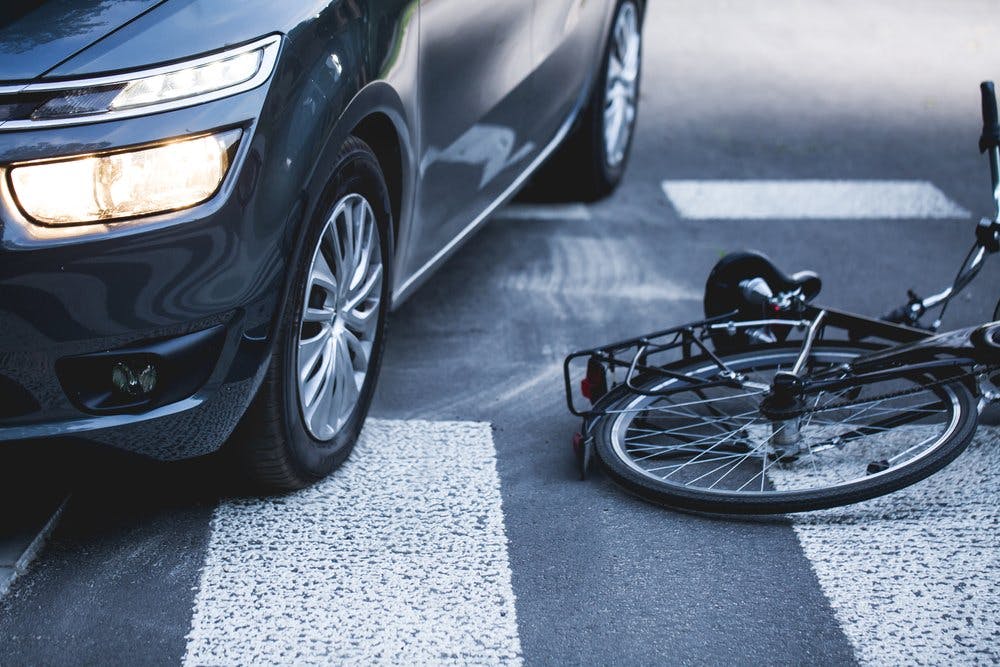
The law considers drowsy or distracted driving negligent behavior. Therefore, you could hold another driver accountable for causing a collision if they hit you because of highway hypnosis. Filing a claim or lawsuit allows you to request compensation from the driver’s auto insurer.
To support your right to seek compensation, a lawyer from our firm can:
- Evaluate your case
- Gather evidence
- Interview witnesses
- Calculate damages
- Negotiate with the opposing party on your behalf
We will put in the time and resources to identify the cause of your collision and build a case to prove the other driver’s liability.
Our Attorneys Represent Clients That Drowsy Drivers Injure
If you were hurt in a car accident with a drowsy or distracted driver, your injuries could entitle you to compensation for medical bills, lost wages, and pain and suffering. Contact Laborde Earles Injury Lawyers to discuss your case with a team member. All potential clients receive a free case evaluation: (337) 777-7777.