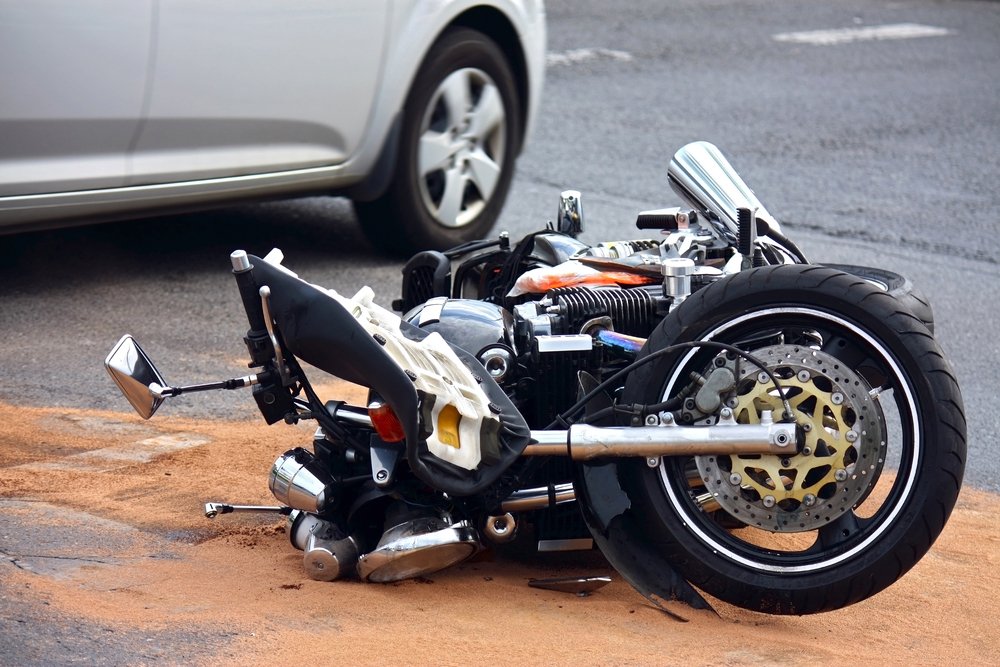
What If My Motorcycle Accident Claim Was Denied By USAA?
If USAA denied your motorcycle accident claim, you do not have to take its decision lying down. You can fight the claim denial in several ways. You can also seek counsel from a personal injury lawyer, who can help you appeal the insurer’s decision.
A Quick Overview Of The USAA Insurance Company
In 1922, 25 U.S. Army officers in Texas agreed to insure each other’s vehicles, creating what would become USAA. Initially, USAA served only military officers and their families, but it expanded membership eligibility to include enlisted personnel in 1996 and military retirees in 2008. As of 2017, USAA served over 12 million members and had a net worth of $31 billion.
The insurance company has a favorable reputation for treating its policyholders fairly and resolving claims promptly, but any insurer can make a mistake. If USAA denied your motorcycle accident claim and you feel it made an error, you have options for seeking a different outcome.
How To Fight USAA’s Denial Of Your Motorcycle Accident Claim
You do not have to accept an unfair denial of your claim. Let’s say you contacted USAA about your losses from a motorcycle crash, and it refused to pay you any compensation or did not pay as much as it should have under the circumstances.
Here are some ways to approach this situation:
- Evaluate the denial letter for any incorrect information. The claims adjuster might have relied on inaccurate or incomplete information when reviewing your claim. The denial letter should reveal the reason that USAA denied your claim. If anything is incorrect or if you think USAA did not have all the facts, it could be appropriate to send USAA a response letter. You might feel more comfortable having an injury lawyer handle this issue for you.
- File a demand letter with USAA. Instead of merely responding to the denial letter, your attorney might write a demand letter that explains the reason for your claim against USAA. For example, the at-fault driver had USAA insurance. Demand letters typically state the number of your losses and the dollar amount of your claim. The letter can also rebut the allegations of the denial letter.
- Appeal the denial directly with USAA. Insurance companies often have a way of appealing a denial of coverage internally. In other words, rather than asking a judge to decide the issue, you could ask USAA to take another look at your claim.
- Negotiate with USAA. Most personal injury claims are resolved out of court. Your lawyer could negotiate directly with USAA on your behalf and try to reach a fair settlement of your injury claim from your motorcycle accident.
- Sue the driver who caused the accident. Sometimes, insurance companies refuse to pay a reasonable amount to settle personal injury claims. If this happens to you, your lawyer could file a lawsuit against the at-fault driver. USAA would then defend their insured. Your attorney can continue to negotiate with USAA while the lawsuit remains pending.
When you get legal advice about your situation, you might discover that you have additional options for addressing the denial of your claim. It can be helpful to speak with an injury lawyer about these options.
The Difference Between Claims On Your USAA Policy And Someone Else’s
When someone else causes an accident that injures you, you make an injury claim against that party’s liability insurance company. Most accident claims follow this path.
Sometimes, an injured person must file a claim against their automobile insurance policy. For example, if the at-fault driver did not carry automobile liability insurance coverage or carried a policy with low limits that did not pay the full amount of your losses, you might need to file a claim against the uninsured or underinsured motorist coverage on your policy.
If a collision with a hit-and-run driver injured you and that individual did not get caught, you likely will need to file a claim against your automobile insurance policy if you have uninsured motorist coverage. Insurance companies treat hit-and-run accidents the same as uninsured motorist claims because there is no available automobile insurance policy to pay the losses after a hit-and-run crash.
Good Faith Duty In Insurance Claims
When an insurance company acts in bad faith when handling claims against its policyholders, it could face a bad faith lawsuit. As the American Bar Association (ABA) explains, liability insurance carriers have a duty to act in good faith when evaluating and processing insurance claims.
An insurance company violates its duty of good faith when it:
- Ignores valid claims against its policyholders.
- Refuses to communicate with claimants appropriately.
- Does not investigate a claim thoroughly or denies coverage without justification.
- Engages in excessive delay tactics.
- Provides false or misleading information about the applicable insurance policy.
- Refuses to pay the full compensation for a valid claim without good reason.
If guilty of outrageous conduct, the insurance company could face punitive damages and other penalties for bad faith.
Get Help Today With A USAA Insurance Claim Denial
Laborde Earles Injury Lawyers can talk with you if USAA has denied your motorcycle accident claim. You can contact us today for a free consultation with no obligation.