What Is a Bobtail Truck and Why Is it Dangerous?
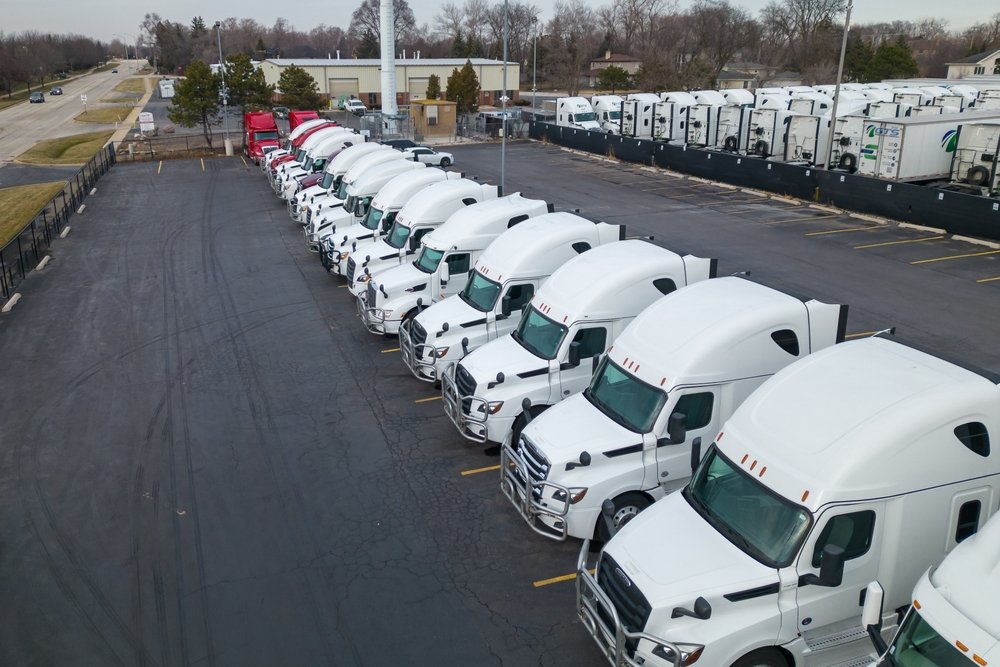
A bobtail truck is a type of semi-truck that travels without a trailer attached. This usually occurs when the driver is heading to pick up a shipment or returning after delivering one, meaning the truck is not carrying any cargo at the time.
Unlike a semi with a trailer, a bobtail trailer is more dangerous on the road because it’s more difficult to stop and harder to maneuver, increasing the risk of an accident that can cause you serious injury and devastating financial losses. A personal injury attorney from our firm has experience handling bobtail truck accident cases.
What Is a Bobtail Truck?
If you’ve ever seen a semi-truck without a trailer, it appears like the truck has a short tail on wheels sticking out the backside. That’s the reason why the term bobtail describes these trailerless trucks.
When a trucker drives a bobtail truck, it is known as bobtailing. The main reason a truck driver would ride without a trailer is that they had to leave a trailer behind to go pick up another load.
The opposite of bobtailing is known as deadheading, which is when a semi-truck is hauling a trailer that is empty.
Why is a Bobtail Truck Dangerous?
You may be wondering what’s so dangerous about a bobtail truck. After all, isn’t a truck with a heavy trailer a real danger to other motorists on the road?
The truth is that a bobtail truck is more dangerous for a variety of reasons, including:
- Less control: While the front wheels of the truck usually are not weight-bearing, allowing them to do their job of steering, removing the trailer puts the weight of the truck on these wheels, making it more challenging to steer and control.
- Less stopping power: Because the braking system on the truck is on the load-bearing rear wheels, removing the trailer removes the weight, reducing the braking power a driver would normally possess if they were pulling a trailer. A hard stop could result in the rear wheels seizing up and the truck pivoting around to the front wheels. This is why more distance between the bobtail truck and other vehicles must be wider so that they have more time to stop.
- Less friction: Without the weight of the trailer, there is less friction between the wheels and the road, making the rig more vulnerable to skidding and overturning while taking tight turns. This is especially risky during adverse weather conditions such as rain and snow.
- More speed: Without a load to haul, a bobtail truck can pick up more speed, increasing the risk of an accident with every additional mile per hour. And since the rig is already more challenging to steer and stop, extra speed is even more deadly.
- Reduction of spring suspension function: The spring suspension system helps the truck handle uneven road surfaces. Without a load, this ability decreases.
Truck drivers generally dislike bobtailing for these reasons. They would prefer hauling a trailer for the extra weight so the truck can function more efficiently and safely on the road. An accident involving a bobtail truck can result in serious injury and even death, which is why truck drivers must observe the rules of the road and take extra care when bobtailing.
Is Deadheading Dangerous?
Again, deadheading is when a truck driver is hauling an empty trailer to pick up a new load. You could be driving alongside a semi with a trailer attached and not even know that it’s empty.
This can be a dangerous situation because empty trailers are vulnerable during times of high winds. It would only take one strong gust of wind to overturn an empty trailer.
Motorists should exercise caution when driving close to big rig trucks, whether the trucks are bobtailing or deadheading.
Who Is Liable for a Bobtail Truck Accident?
Determining liability for a bobtail truck accident can be tricky. Your lawyer, the police, and the insurance company could each reach a different conclusion. There are many causes of truck accidents to consider, such as:
- Driver error
- Inexperience
- Bad weather
- Poor road conditions/maintenance
- Intoxication and drug use
- Mechanical failure
- Defective parts
- Speeding
- Poor truck maintenance
As for who can be held liable for a bobtail truck accident, here are the following possibilities:
- Truck driver: Truck drivers should follow all rules and regulations, as well as all traffic laws. You can hold a truck driver accountable for your injuries and financial losses if their negligence is at fault for the accident.
- Trucking company: Trucking companies must ensure that their drivers receive proper training and have the experience necessary to drive a bobtail truck. They must also ensure they follow trucking rules and regulations, such as requiring drivers to take proper breaks to sleep.
- Manufacturer: Perhaps the manufacturer negligently installed a defective part on a bobtail truck, and the failure of that part resulted in an accident.
- Maintenance technicians and mechanics: Bobtail trucks should be fully operational and roadworthy before they are driven. Poor maintenance can cause accidents.
- Government entity: The government agency responsible for maintaining the roads and equipment, such as lights can also be liable for an accident, although most states cap the damages you can receive.
A thorough investigation can determine liability in a truck accident, something a personal injury lawyer from our firm will do if you hire us to handle your case.
Learn More About Bobtail Trucks and Why They are Dangerous Today
Bobtail trucks pose a risk to motorists, especially during times of adverse weather or when an inexperienced driver is at the wheel. An accident can result in serious injury and crippling financial losses. Compensation can cover your losses and hold the liable party accountable for your injuries.
To learn more about bobtail trucks and the dangers they pose, call Laborde Earles Injury Lawyers. Please don’t hesitate to contact us today.